
Blog
Understanding C-PTSD: How Childhood Trauma Shapes Us and How Healing Begins

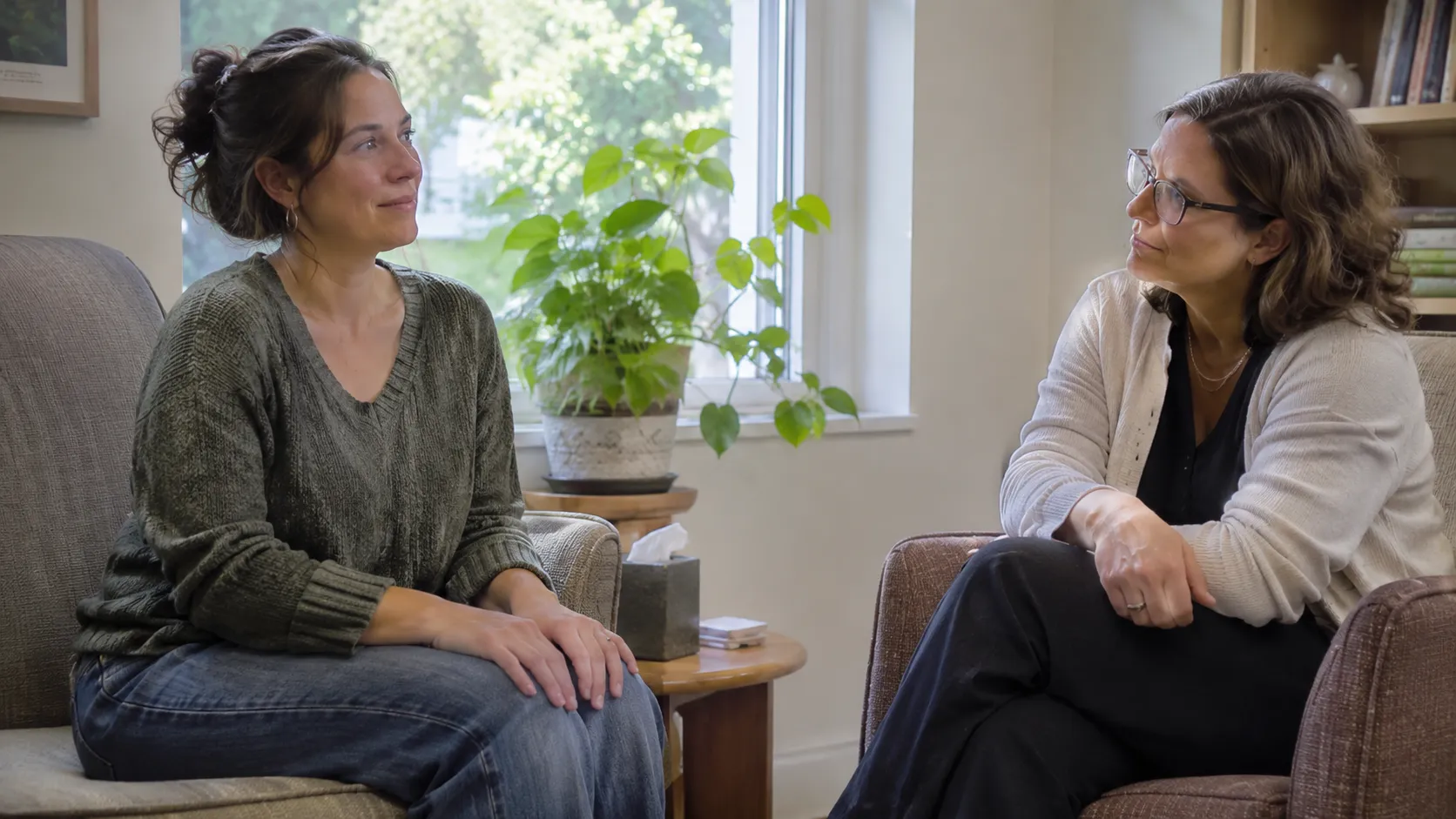
Many instances of child abuse go unreported. According to the Children’s Bureau’s Annual Child Maltreatment Report (for Fiscal Year 2023, released in January 2025), an estimated 546,159 children across the United States were identified as victims of abuse or neglect.
Children whose repeated, prolonged, and inescapable exposure to violence, abuse, neglect, and/or fear can experience warped development and enduring emotional and psychological harm, including the development of Complex Post-Traumatic Stress Disorder (C-PTSD). Early-life trauma can profoundly shape the way a person learns to regulate their emotions and interpret safety or threat in their body. Hypervigilance becomes a means of survival, dissociation a source of relief, and compliance a strategy to stay safe. And while these coping mechanisms may have once been essential, they often become maladaptive later in life.
Childhood abuse does not end when the abuse stops. The damage echoes through the mind and body. For people who endure such beginnings, growing up means learning to live in a world where love and danger occupy the same space. Long after the physical danger is gone, the mind and body continue to live as if the threat were still present. What is labeled C-PTSD is not a single memory or event — it is a reorganization of the self around the need to survive. As psychiatrist Judith Herman wrote, early, repeated trauma “forms the core experience of prolonged terror and helplessness” that shapes how a person learns to feel, think, and relate to others.
As adults, survivors often struggle with longing for closeness yet fearing it, craving control yet distrusting their own power, and seeking stability yet finding comfort only in chaos. The past infiltrates the present as an unconscious learned survival response of what once kept them safe. Healing requires more than understanding; it demands the slow re-teaching of the nervous system so that one’s world can be different in the now. The mind that once split itself to survive can, with time and care, learn to reassemble. Through re-experiencing safety within the body and in relationship with others one can heal towards an existence of allowing the self to feel safe and trust enough to ease defensive and maladaptive patterns.
Modern trauma therapy reflects this understanding. Somatic and attachment-based approaches, as well as brain spotting and EMDR, work with the nervous system helping survivors slowly retrain their bodies to recognize calm as safety, not danger. As psychiatrist Bessel van der Kolk wrote, healing is not about forgetting but about “learning to live fully and safely in the present.” The story of trauma is not solely one of damage, but of endurance. To have survived is to have invented an entire psychology of persistence and resilience. If you recognize yourself in these words by your reactions, your defenses, your struggles to trust, rest or believe in healthy love they do not have to define the rest of your life.
Childhood trauma teaches the nervous system to survive, but healing teaches it to live. Recovery is not linear, and it is never fast. But with time, patience, care, and connection, the same mind that was shaped by terror and abuse can begin to learn to trust in safety and love.
-Kiki Jacobson, Psychotherapist
FURTHER RESOURCES: Please visit AmandaOlsonBooks.com for a complete list of resources, blogs, etc.
If you or a loved one is considering harming yourself or suicide, please call 988 or visit 988lifeline.org,
If you or someone you love is in imminent danger of harming themselves or committing suicide, call 911.
National Alliance on Mental Ilness (NAMI)
nami.org
Trauma Survivors Network
traumasurvivorsnetwork.org
National Center for PTSD (.gov)
https://www.ptsd.va.gov